Fire Damage Recovery: Steps & Insurance Tips
Fire Damage, Insurance Claims
What to Do in the First 48 Hours After a House Fire
Recovering from a fire is overwhelming. This guide from Assured Claims outlines clear, practical steps to protect your property, your rights, and your insurance claim from day one.
Ensure Safety First and Contact the Right Parties
Once the fire department confirms it is safe to return, take a moment to assess your surroundings calmly. Do not re-enter if structural damage, heavy smoke, or lingering hotspots are visible. Your safety, and that of your family, must come before any concern about belongings or property damage.
As soon as possible, notify your insurance company that a loss has occurred. This initial report starts the official record of your claim. Provide the date, location, and a brief description of the fire. You do not need every detail at this stage; more information will follow as the damage is documented and evaluated by professionals such as public adjusters and contractors.
Document Property Damage Thoroughly from Day One
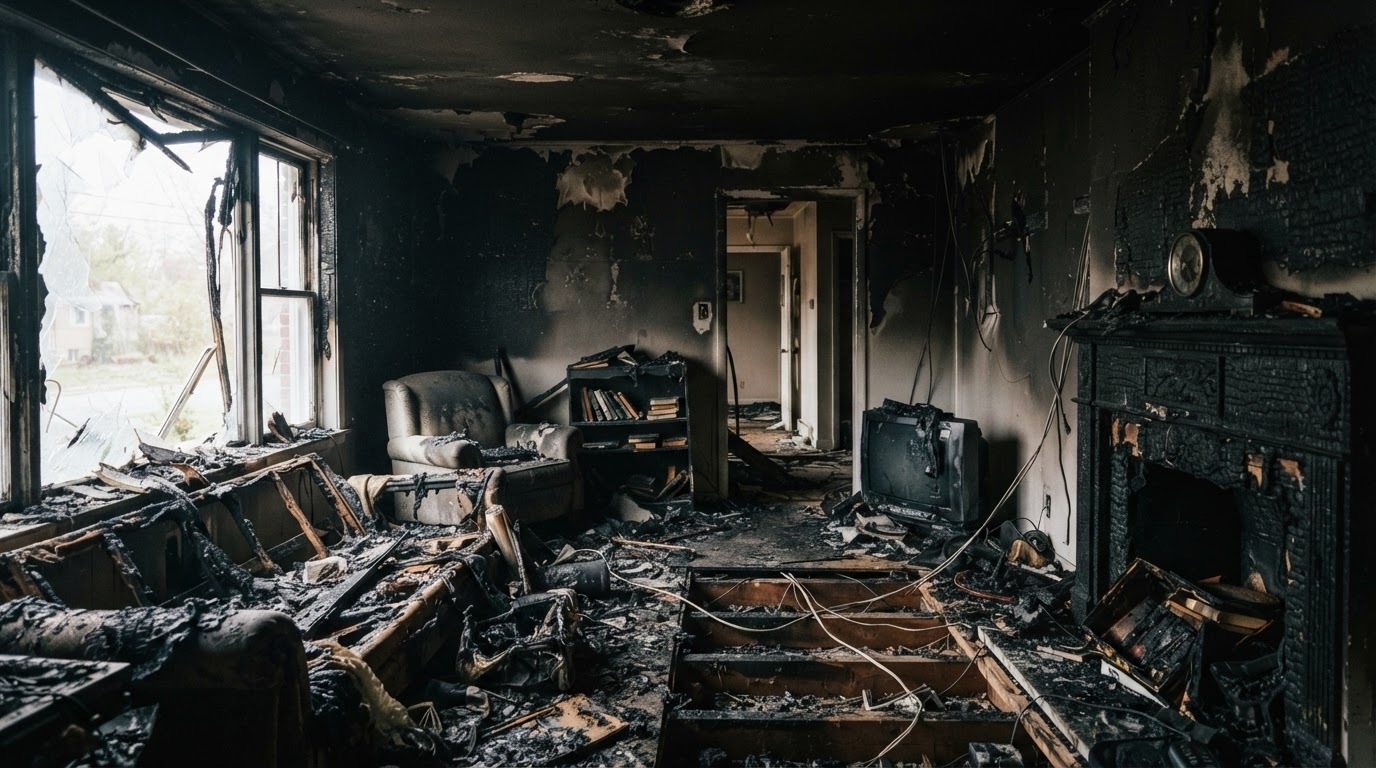
Careful documentation is one of the most important steps you can take after fire damage. Before moving items or beginning cleanup, take wide-angle photos and close-up images of every affected room, surface, and item. Capture smoke staining, water damage from firefighting efforts, and any structural issues such as cracked walls or ceilings. Video walkthroughs can provide a clear record of the overall condition of your property.
Create a written inventory of damaged personal property. Include the item name, approximate age, purchase price if known, and the extent of damage. Keep receipts, warranties, and previous appraisals if you have them. This level of detail supports your insurance claim, helping to demonstrate the full scope of your loss and reduce disputes over value later in the process.
Protect Your Property from Further Damage
Most insurance policies require you to take reasonable steps to prevent additional damage after a fire. This may include boarding up broken windows, covering roof openings with tarps, and shutting off utilities if instructed by authorities or licensed professionals. Keep all receipts and invoices for emergency repairs and temporary protections; these expenses are often reimbursable under your policy.
Avoid discarding damaged items too quickly. Even heavily charred or smoke-damaged belongings can serve as important evidence of your loss. If items must be removed for safety or health reasons, photograph them thoroughly and note where they are stored or disposed of. This careful approach helps ensure your property damage is accurately reflected in your claim settlement.
Navigating Insurance Claims After Fire Damage
Fire-related insurance claims can be complex, involving structural repairs, personal property losses, smoke and soot remediation, and sometimes additional living expenses if your home is uninhabitable. Review your policy declarations page to understand your coverage limits, deductibles, and any exclusions that may apply. Ask your insurer to confirm key details in writing so you have a clear reference throughout the process.
When the insurance company assigns an adjuster, remember that this professional represents the insurer’s interests. Provide accurate information, but avoid making estimates or assumptions about the cause or cost of repairs. Instead, rely on licensed contractors and independent experts to prepare repair scopes and cost estimates. Their reports can be critical when you negotiate the final settlement for your fire damage claim.
💡 Pro Tip: Keep a dedicated claim file with all correspondence, estimates, photos, and notes from every conversation with your insurer.
How Public Adjusters Support Your Fire Claim
A licensed public adjuster works exclusively for you, not the insurance company. In a fire loss, a public adjuster can inspect the property, identify hidden damage, prepare a detailed estimate, and manage communication with the insurer. This professional advocacy helps ensure that all aspects of your property damage are considered, including structural issues, smoke and odor remediation, electrical and plumbing impacts, and damaged contents.
Assured Claims partners with experienced public adjusters who understand policy language, local building codes, and the true cost of restoring a fire-damaged property. For many policyholders, this support reduces stress, shortens timelines, and leads to more accurate settlements. If you feel overwhelmed, uncertain about your coverage, or concerned that your loss is being undervalued, consulting a public adjuster can be a decisive step in protecting your financial recovery.
Planning Your Next Steps with Assured Claims
After a fire, you face two parallel challenges: restoring your home and navigating the insurance claim that funds that restoration. By prioritizing safety, documenting property damage carefully, protecting your home from further loss, and seeking professional guidance when needed, you place yourself in a stronger position to move forward with confidence.
Assured Claims is committed to helping policyholders understand their options and make informed decisions at every stage of the recovery process. If you have experienced fire damage and are unsure where to begin with your insurance claim or whether to engage a public adjuster, reaching out for expert support can provide clarity, structure, and peace of mind during a challenging time.
