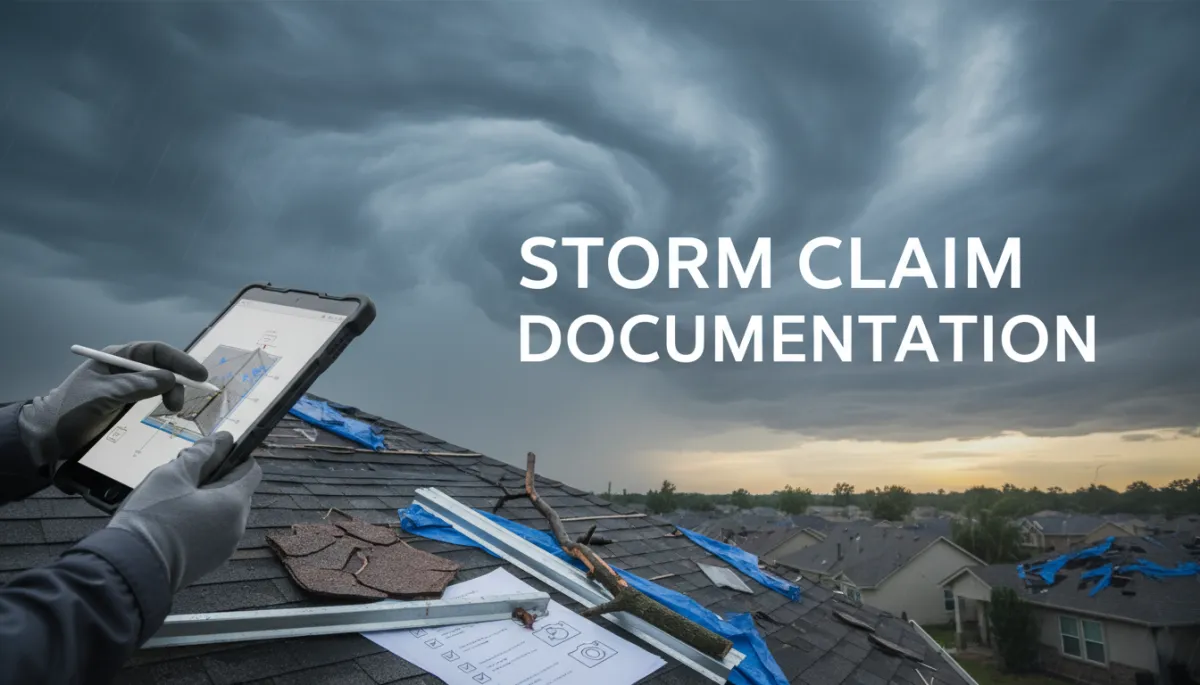
Documenting Storm Damage So Insurers Can't Dispute It
Storm Damage, Insurance Claims
Documenting Storm Damage So Insurers Can't Dispute It
When a storm tears through your property, the first instinct is often to clean up. Yet, the most important step for your financial recovery comes before any repairs—systematic, thorough storm damage documentation. Done correctly, it protects your rights, strengthens your insurance claim, and gives public adjusters the leverage they need to fight for a fair settlement.
Why Storm Damage Documentation Determines the Strength of Your Claim
Insurance companies rely on evidence. If the damage is not clearly documented—before temporary repairs, clean‑up, or disposal—the insurer can question the extent of loss, argue pre‑existing conditions, or reduce your payout. Strong documentation creates a clear timeline, shows the full scope of impact, and links every repair dollar to visible, verifiable damage.
Treat your home or business like a claim file from the moment the storm passes. Every broken shingle, soaked wall, and ruined piece of personal property is a data point. When organized and presented correctly, those data points become undeniable proof of what you have lost—and what your policy should cover.
Step‑By‑Step: How to Document Storm Damage Effectively
1. Start With Safety, Then Capture the Big Picture
Confirm that it is safe to enter the property—watch for downed power lines, gas leaks, and unstable structures. Once safe, take wide‑angle photos and videos of the exterior and interior before moving anything. Capture the roof, siding, windows, yard, and surrounding properties to show the overall severity of the storm in your area.
2. Move to Detailed, Room‑By‑Room Evidence
Next, walk each room and space methodically. Take multiple close‑up photos of damaged items, structural components, and finishes—ceilings, walls, flooring, cabinets, fixtures, and contents. Photograph serial numbers, labels, and model information when available. Document water lines on walls, warped flooring, and any signs of hidden moisture such as staining or bubbling paint.
3. Create a Written Inventory and Keep Every Receipt
Photographs are powerful, but they work best alongside a written inventory. List each damaged item, its approximate age, purchase price, and condition before the storm. Save receipts for emergency repairs, tarping, hotel stays, meals, and temporary relocation costs—these often fall under “additional living expenses” or “loss of use” coverage, and insurers expect proof before they reimburse you.
4. Preserve Damaged Materials Whenever Possible
If health and safety allow, avoid discarding damaged materials until the insurance company or a public adjuster has inspected them. Roofing shingles, siding, carpet, and personal items can all serve as physical evidence. When disposal is unavoidable—for example, due to mold or contamination—document the items thoroughly beforehand and note why they had to be removed.
💡 Pro Tip: Time‑stamp your photos and videos, and back them up to cloud storage. If questions arise months later, you will have verifiable, organized records ready to present.
How Strong Documentation Supports Your Insurance Claim
An insurance claim is, at its core, a formal request for payment backed by evidence. When you submit a storm claim with clear photos, a precise inventory, repair estimates, and proof of extra expenses, you reduce the insurer’s room for interpretation. Adjusters must base their evaluation on the facts you provide—strong documentation narrows the gap between what you claim and what the insurer is willing to pay.
In many cases, disputes arise not because damage is absent, but because it is undocumented, unclear, or undervalued. Thorough records help demonstrate that wind, hail, or water intrusion from the storm—not neglect or wear and tear—caused the loss. That distinction is critical, because most policies exclude long‑term deterioration, yet cover sudden, accidental storm events.
The Role of Public Adjuster Services in Maximizing Your Recovery
Public adjusters work exclusively for policyholders—not insurance companies. Their primary responsibility is to evaluate your damage, interpret your policy, and negotiate with the insurer on your behalf. When you bring a public adjuster in early, they can guide your documentation process, identify hidden or easily overlooked damage, and ensure every covered loss is captured in the claim file.
A skilled public adjuster reviews your photos, inventory, estimates, and receipts, then builds a comprehensive claim package. They understand how insurers calculate depreciation, apply policy limits, and interpret exclusions. With that knowledge, they challenge lowball offers, correct errors in the insurer’s scope of work, and present evidence in a way that aligns with policy language and industry standards.
📌 Key Takeaway: High‑quality documentation gives your public adjuster leverage. The better your records, the stronger their negotiating position—and the closer your settlement will come to fully restoring your property.
Practical Next Steps After a Storm Hits
Protect life and safety first, then prevent further damage with temporary measures such as tarps or board‑ups.
Begin photographing and filming the property, inside and out, before moving or discarding items.
Start an inventory list, and store all receipts for emergency work and living expenses in one secure place.
Notify your insurance company promptly, but avoid guessing about costs—let the documentation speak for itself.
Consult a licensed public adjuster if the damage is significant, the policy is complex, or the insurer’s response seems incomplete or delayed.
Conclusion: Document Thoroughly, Then Let the Evidence Work for You
Storms are unpredictable—your response should not be. Meticulous storm damage documentation, supported by a clear understanding of your insurance claim and, when needed, professional public adjuster services, puts you back in control. Instead of relying on memory or rushed estimates, you rely on facts, photos, and organized records that withstand scrutiny.
Before you rebuild, build your case. Document every detail, protect your evidence, and partner with experts who know how to turn that documentation into a fair, timely settlement. That is how you move from storm damage to full recovery—with confidence, clarity, and the compensation your policy promises.
